In 2016, the Wavelo system was launched in Kraków and became an instant hit among the city dwellers appreciating its convenience. Krakow offered hourly bike rentals, over 160 stations, and 1,500 modern bikes. All of this seemed a near perfect solution. Today, however, the city offers only long-term rentals. Will this be enough for residents?
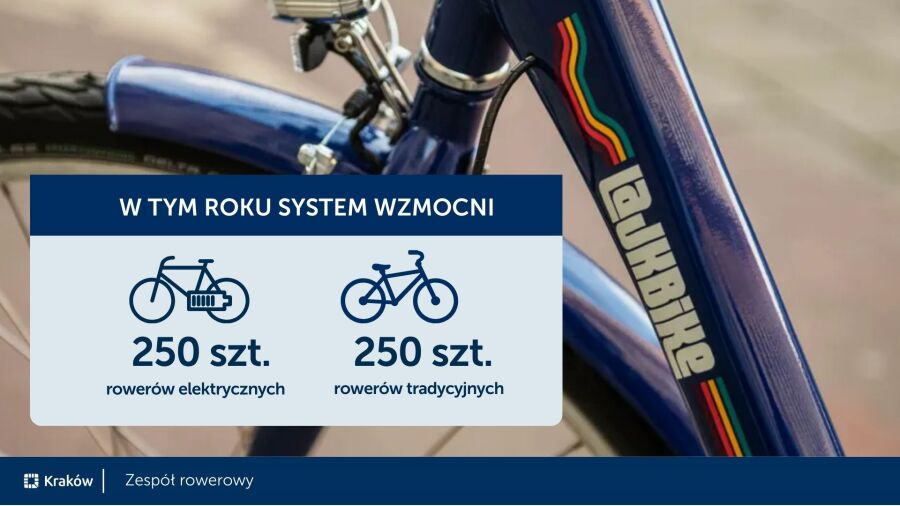
On March 17, 2026, city officials announced the purchase of another 500 bicycles for the LajkBike rental service. However, this rental service bears no resemblance to what the Wavelo system offered years ago. Currently, Krakow residents have access to city bikes, but only through a monthly subscription fee that they pay for the entire year. There are (for now) 500 classic bikes and 500 electric bikes available. Access to LajkBike is, however, severely limited, and only a lucky few have it
A New, Old System
Although the city boasts positive user feedback, council members from the Kraków for Residents Councilors’ Club have drafted a resolution to reinstate “pay-by-the-hour” bike rentals in our city. City officials have analyzed the possibility of returning to a system that enjoyed immense popularity years ago.
“The conclusion is clear: the most advantageous option was the development of long-term rentals, i.e., a model similar to the current LajkBike,” reads the krakow.pl website.
What happened to Wavelo?
In 2019, “dark clouds” gathered over Wavelo because the system operator determined that the existing model was unprofitable. Talks between the system operator and the city of Kraków ended in failure. The reason was financing issues. The operator, BikeU, wanted to renegotiate the contract and proposed that the city provide additional funding. However, the Kraków authorities refused to change the terms due to the lack of a legal basis for modifying the contract. They also questioned the validity of the operator’s termination of the contract. The city was also not interested in taking over the system. As a result, the Kraków city bike system was shut down at the end of 2019.
Interestingly, after four years, officials decided to purchase city bikes after all. However, they preferred to buy brand-new bikes rather than stick with the Wavelo bikes already familiar to residents.
Old city bikes. Will Kraków return to Wavelo?
The city council’s resolution on returning to the “pay-by-the-hour” bike-sharing system raises questions about its popularity today. In 2029, BikeU claimed that people were switching from bikes to electric scooters. There are many indications that this trend continues to this day.
In recent years, electric scooters have been gaining ground over city bikes in Polish cities, as evidenced by changes in user behavior and local government decisions. As a PAP article notes, “companies have emerged on the market that offer scooters and mopeds in addition to bikes.” As a result, some cities have discontinued public bike systems or scaled back their operations. Bikes still play an important role, but more often as a recreational activity or a supplementary mode of transport. The overall trend, however, indicates that micromobility in the form of scooters has taken over some of the functions previously fulfilled by city bikes.
How much does it cost? Wavelo vs. LajkBike
In the days of Wavelo, the model was simple: pay and ride. Without a subscription, an hour of riding cost about 11.40 PLN. There were also packages and subscriptions, but the ability to rent “for a short time” was the system’s biggest advantage.
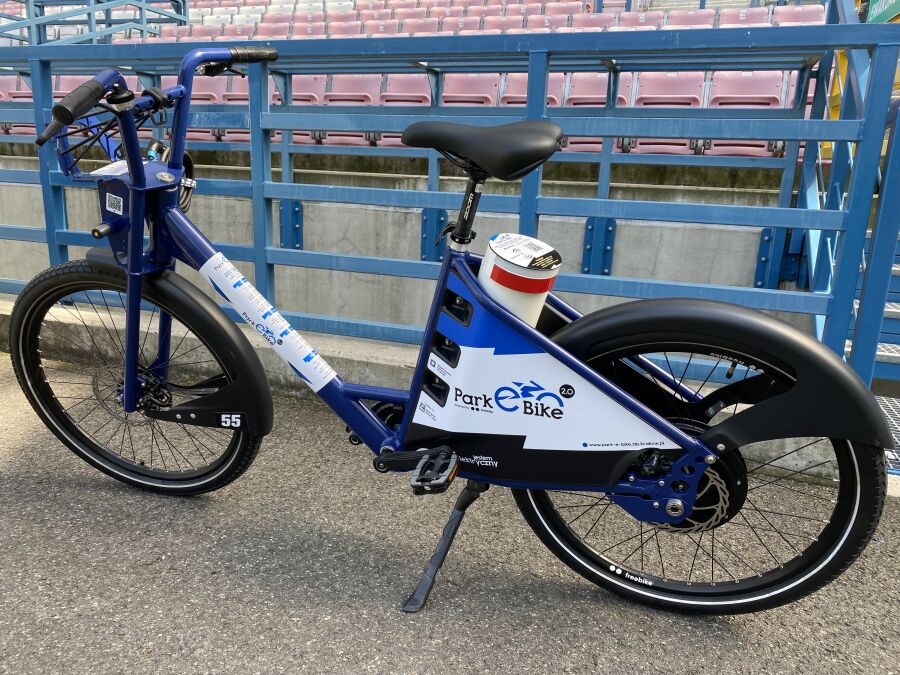
Today, in the LajkBike system, we don’t pay per ride, but for the time we have the bike. The monthly subscription currently costs PLN 33 for a traditional bike and PLN 89 for an electric one. This is where the fundamental difference lies.
Wavelo was the ideal system for quick commutes and short trips. LajkBike is a solution more akin to leasing than a classic bike-sharing.
Time for a compromise
If Kraków truly wants to reconcile the needs of different users, the solution seems surprisingly simple. There’s no need to choose between one model and another. All you have to do is combine them.
The “pay-by-the-hour” system wouldn’t have to be as extensive as Wavelo used to be. It would be enough to scale it back, which would reduce costs while restoring the functionality that’s most lacking today. The most important factor, however, would be the placement of stations. Such a system should operate where it’s actually needed:
- in the very center,
- at major transportation hubs,
- in university areas,
- in tourist spots.
There remains the question of money. And here, too, there’s no need to reinvent the wheel. The system could be financed through a mixed model:
- partly by the city (as part of public transportation),
- partly by a private operator,
- partly through advertising and sponsors.
It would also be possible to introduce a small municipal surcharge on each ride—exactly as is the case with public transit.
In practice, this means one thing: Kraków doesn’t have to bring back Wavelo in the same form. It can create something smaller, cheaper, and better suited to today’s realities. The only question is whether it really wants to.
Author: Mateusz Tomanek